Source Water
Measure tap or feed water first to establish incoming TDS.
Labor Day Sale — 5% OFF with code LABOR5 • No sales tax collected outside of California • Free U.S. shipping on orders over $75 • Phone: (858) 252-3344
$8.00
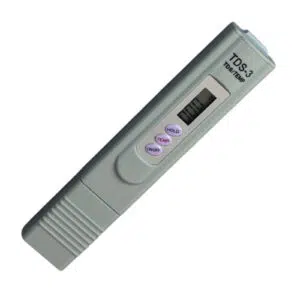
TDS 3 Meter. SKU# TDS3
The TDS-3 digital meter provides a fast way to measure Total Dissolved Solids in drinking water, RO water, aquariums, hydroponic systems, and other water-treatment applications. It is especially useful for comparing source water with purified RO water and for watching changes in membrane performance over time.
Measure Dissolved SolidsProvides a ppm reading that reflects dissolved ionic content.
Check RO PerformanceCompare source water and RO permeate to monitor membrane rejection trends.
Watch DI ExhaustionUseful for checking when deionization media is no longer producing ultra-low-TDS water.
Auto-OffPowers down after about 10 minutes of inactivity.
Source Water
Measure tap or feed water first to establish incoming TDS.
RO Permeate
Measure purified water immediately after the RO membrane and before remineralization, alkaline, KDF, calcite, or other post-filters.
Compare Trends
Use repeat readings over time to watch membrane rejection and filtration performance.
| Product type | Digital TDS water-quality meter |
|---|---|
| Measurement | Total Dissolved Solids (TDS) |
| Range | 0–9990 ppm |
| Resolution | 1 ppm from 0–999 ppm; 1000–9990 ppm displayed using ×10 multiplier |
| Listed accuracy | ±2% |
| Auto-off | After approximately 10 minutes |
| Power | 2 × 1.5V button-cell batteries |
| Batteries included | Yes |
| Package includes | 1 TDS meter + instructions |
| Listed shipping dimensions | 4 × 2 × 1 in |
| Listed shipping weight | 6 oz |
| SKU | TDSMETER |
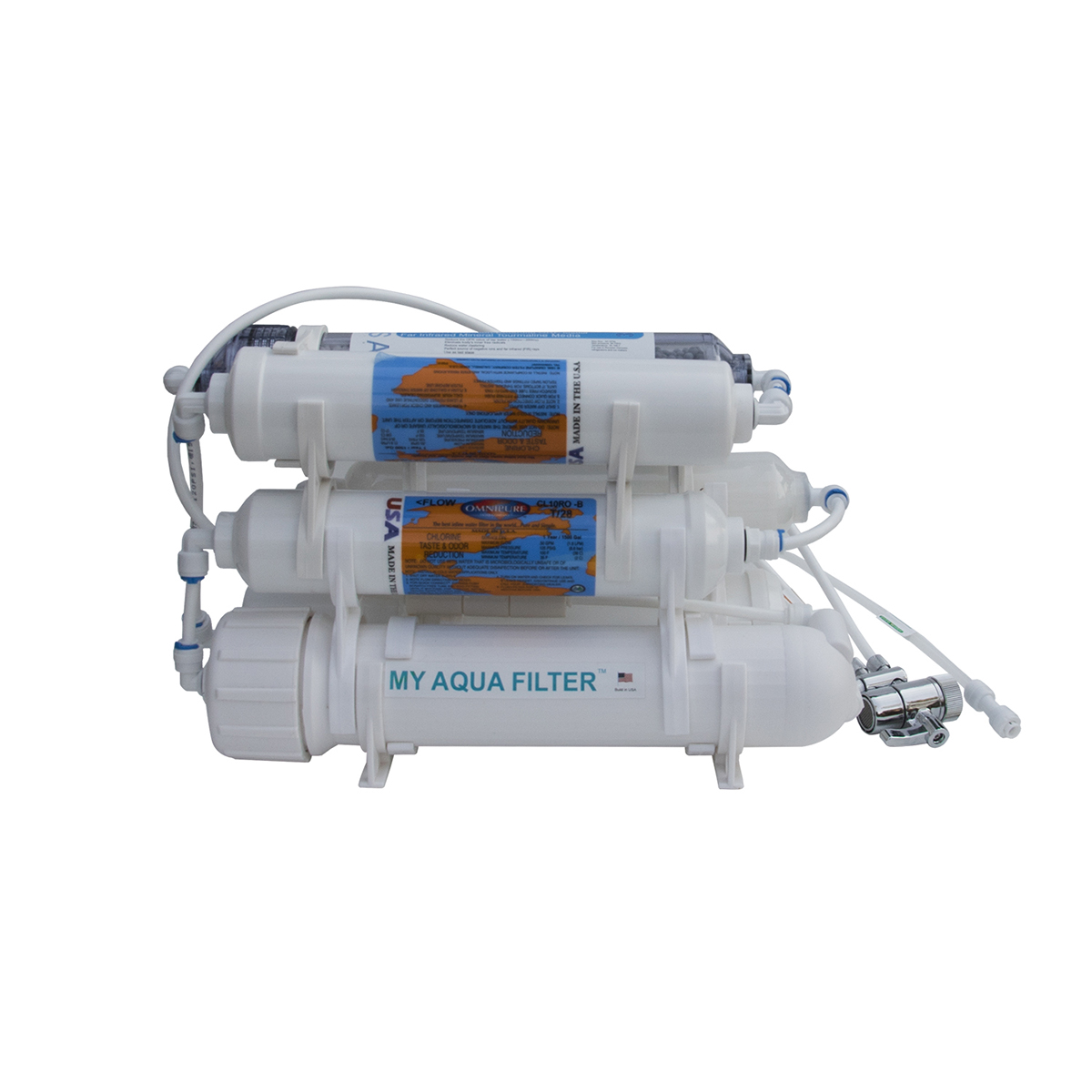
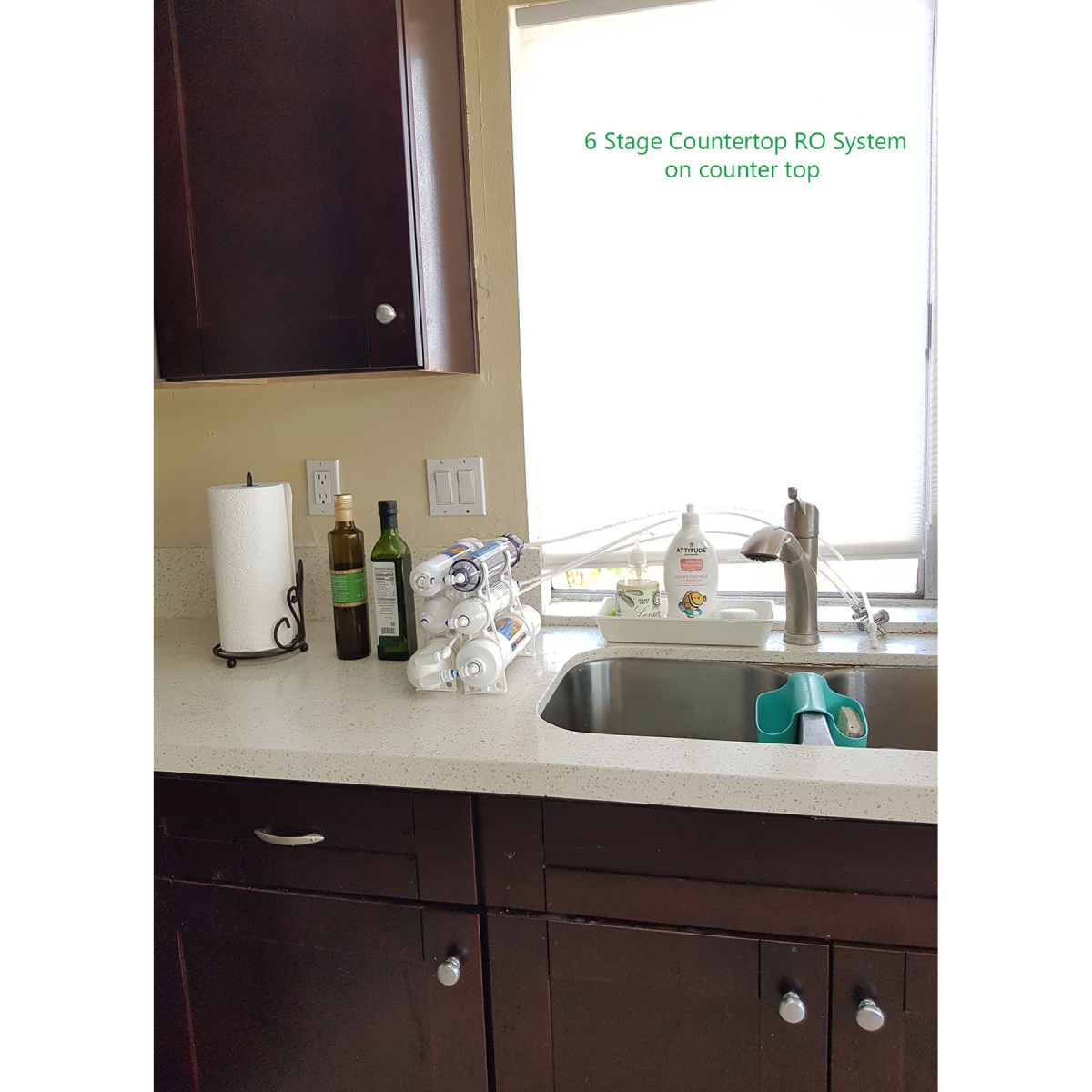
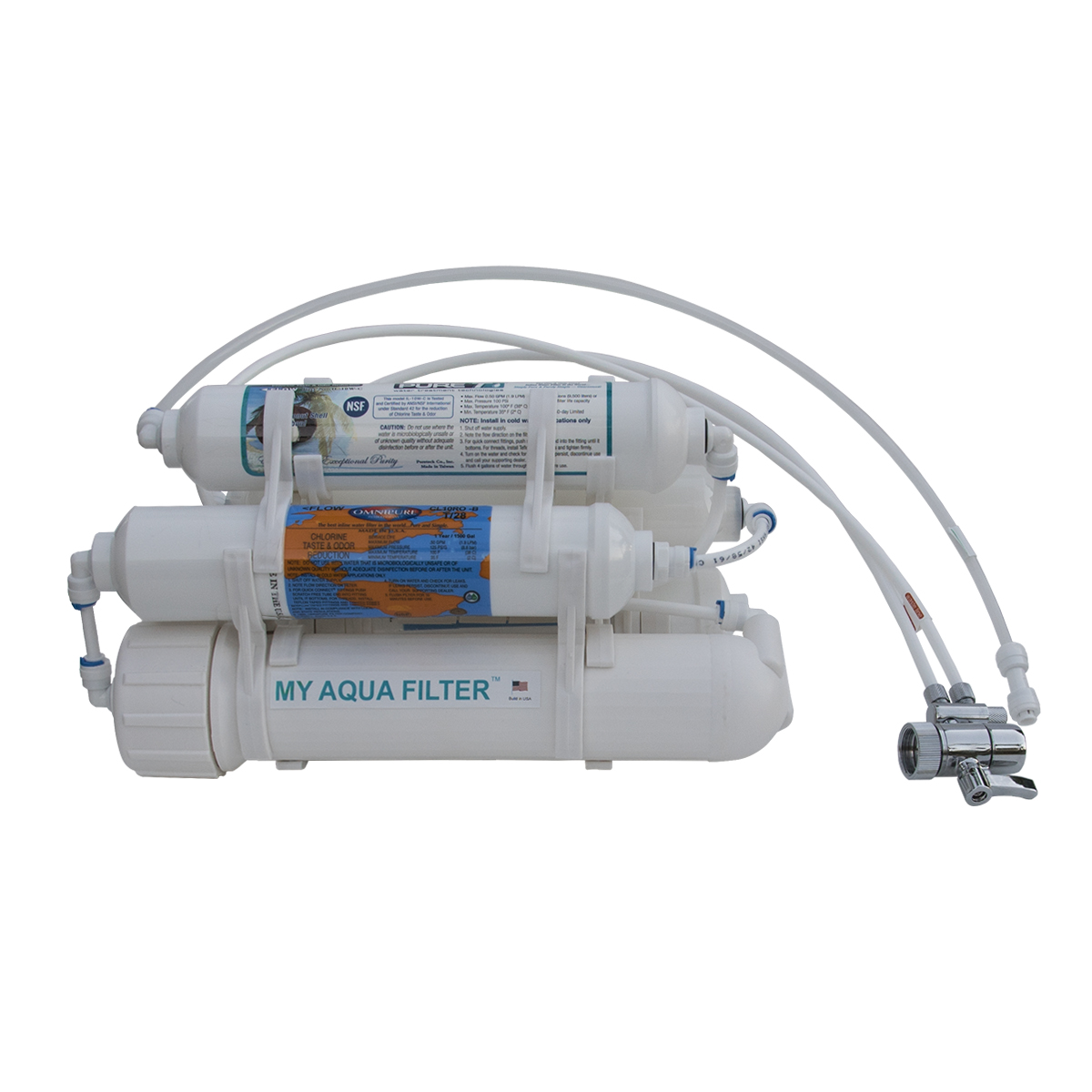
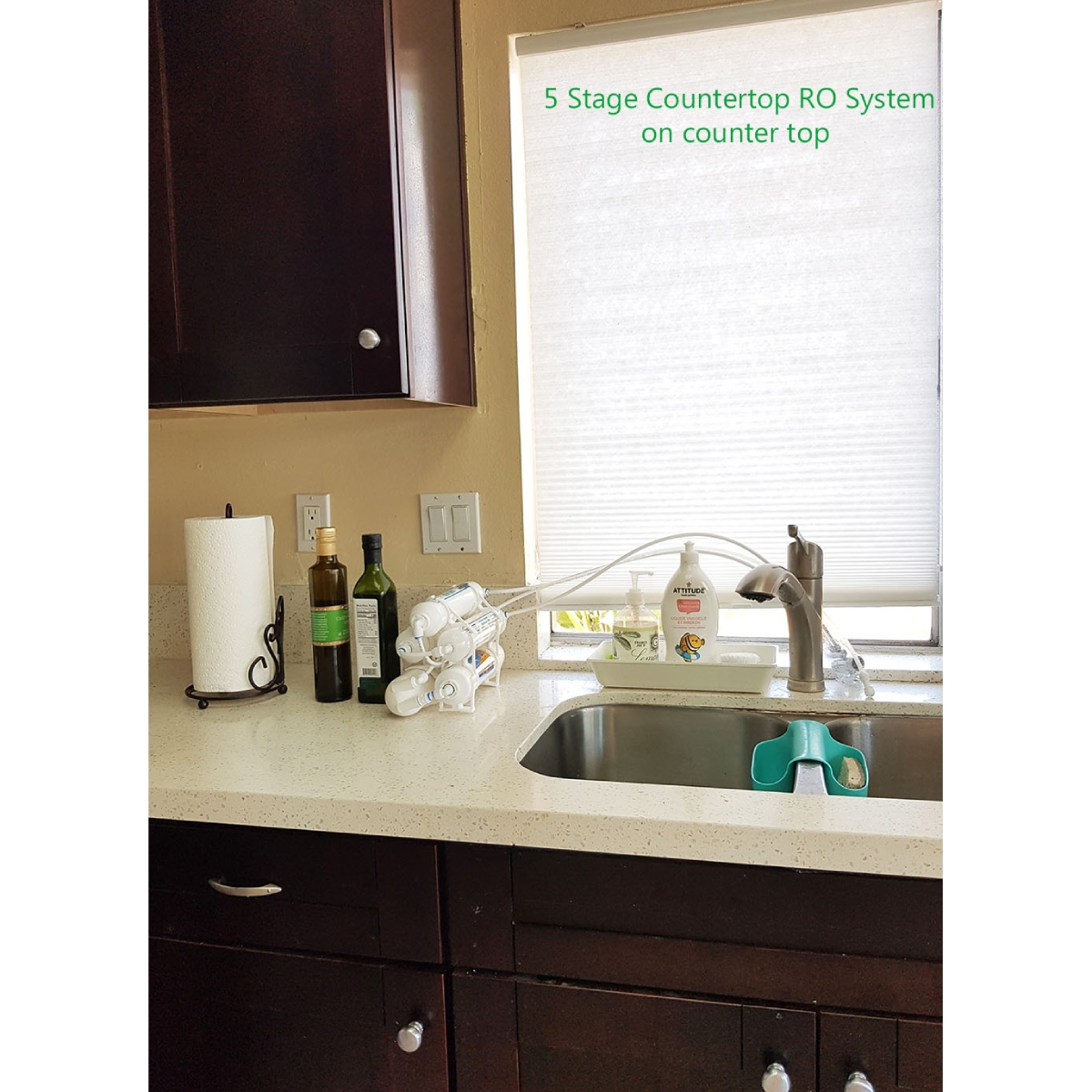
Countertop RO Systems
For the most useful membrane-performance reading, take the water sample immediately after the RO membrane stage, before any carbon polishing, alkaline, or remineralization filter.
Under-Sink RO Systems
Use the same approach: sample the purified water directly after the RO membrane whenever possible. This gives the clearest indication of membrane rejection.
RO + DI / Ion Exchange
For ultra-pure systems, you can test both after the RO membrane and after the final DI or ion-exchange stage. The RO reading shows membrane performance; the final-stage reading shows the polishing performance of the DI media.
RO + Remineralization / Alkaline
Take the sample before the mineralization stage—preferably directly after the RO membrane. Remineralization and alkaline media intentionally add mineral ions back to the water, so the final TDS will be higher by design.
Carbon Filters
New carbon filters can temporarily add a few ppm to the reading because of normal carbon fines and fresh-media flushing.
Remineralization Filters
Mineral and alkaline post-filters intentionally add dissolved calcium, magnesium, and other mineral ions. Depending on the media and water chemistry, final TDS may increase by roughly 10–60 ppm or more.
DI / Ion Exchange
DI media works in the opposite direction: it removes remaining dissolved ions after RO and can bring the final reading down toward ultra-low TDS when the resin is fresh.
For a more representative reading, use the RO system normally for approximately 5–7 days after installing a new system or replacing filters before evaluating TDS performance. Fresh carbon media, new mineral media, initial flushing, and stabilization of the RO membrane can temporarily affect early readings.
| Weight | 6 oz |
|---|---|
| Dimensions | 4 × 2 × 1 in |
William Tadesku –
Cheap stuff, but it works.