Description
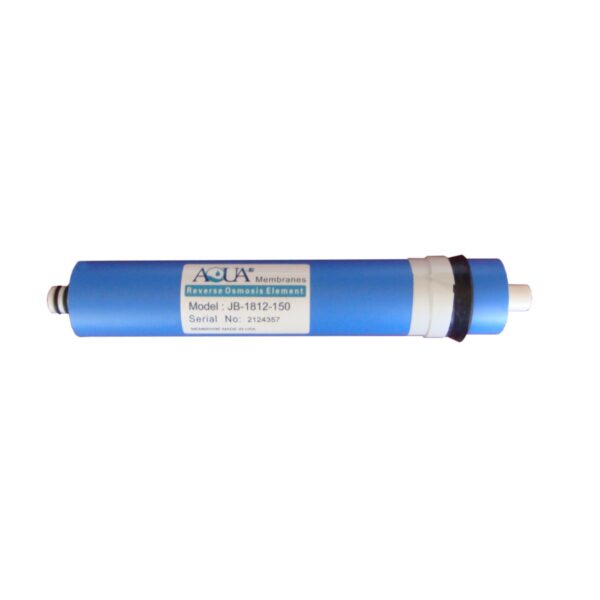
150 GPD RO Membrane – Application & Use Case
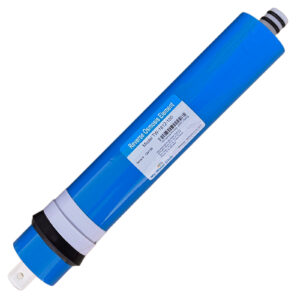
A 150 GPD (gallons per day) reverse osmosis membrane is one of the most commonly used membrane ratings in residential RO systems. It provides an excellent balance between water production speed and contaminant rejection, making it suitable for both traditional under-sink RO systems and select countertop RO applications.
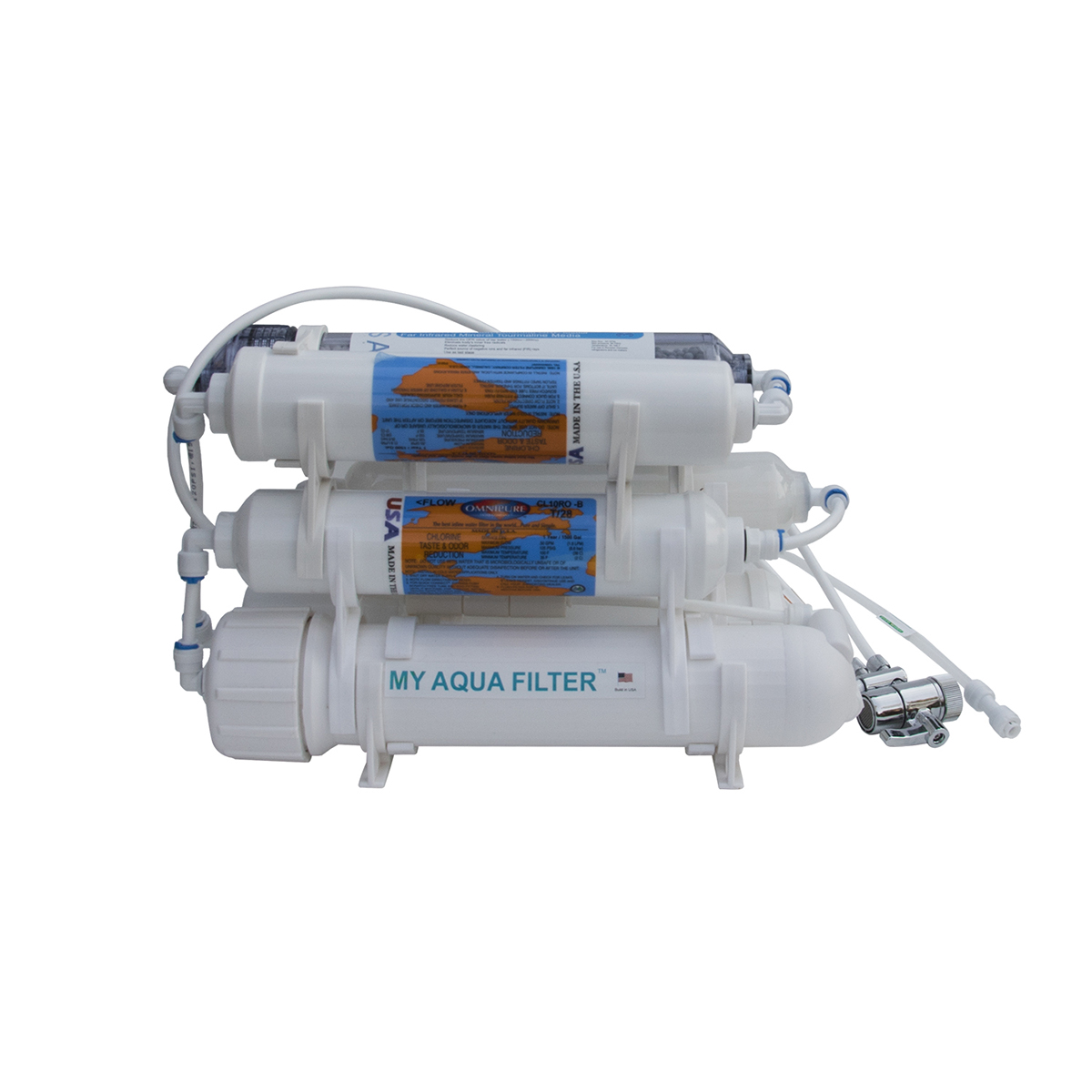
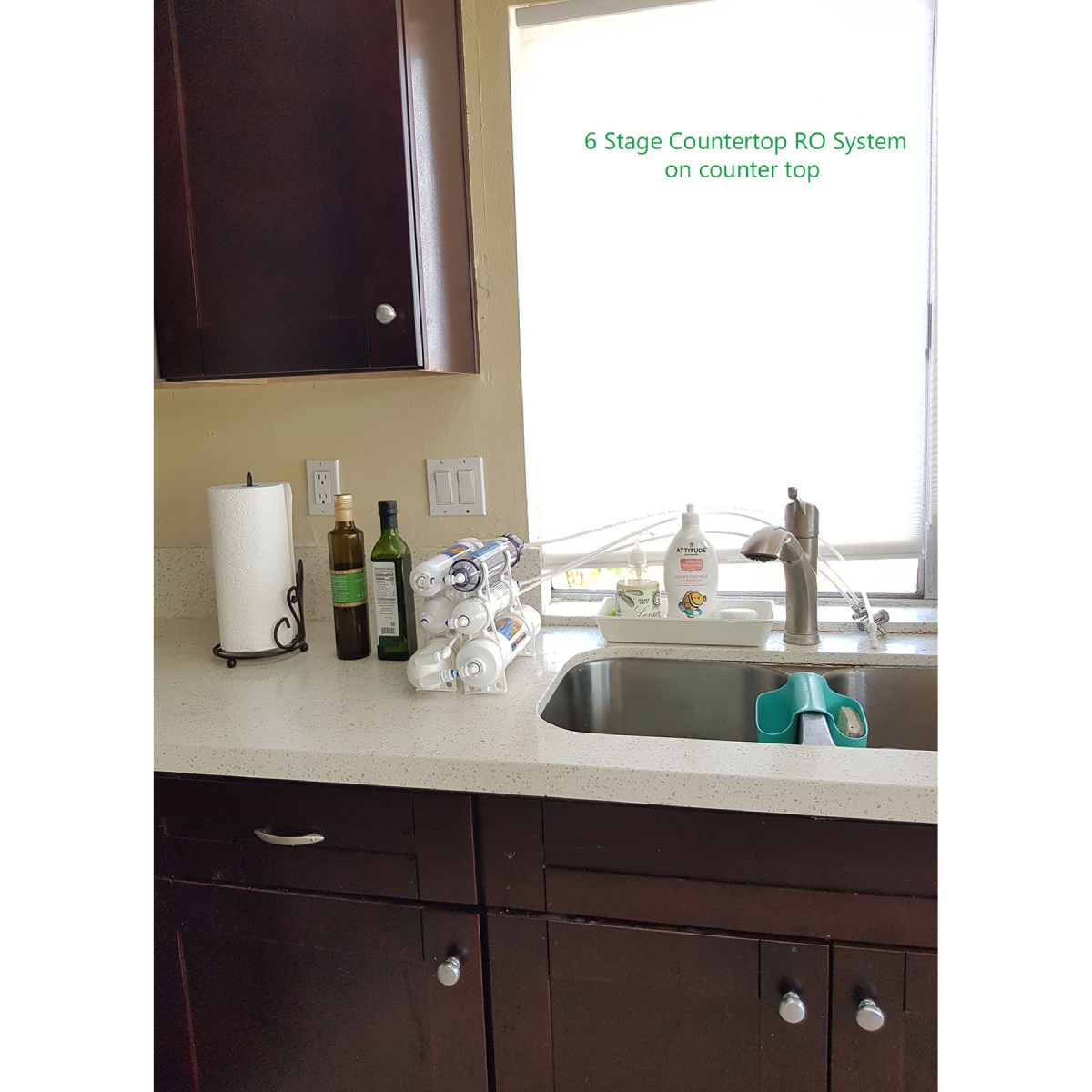
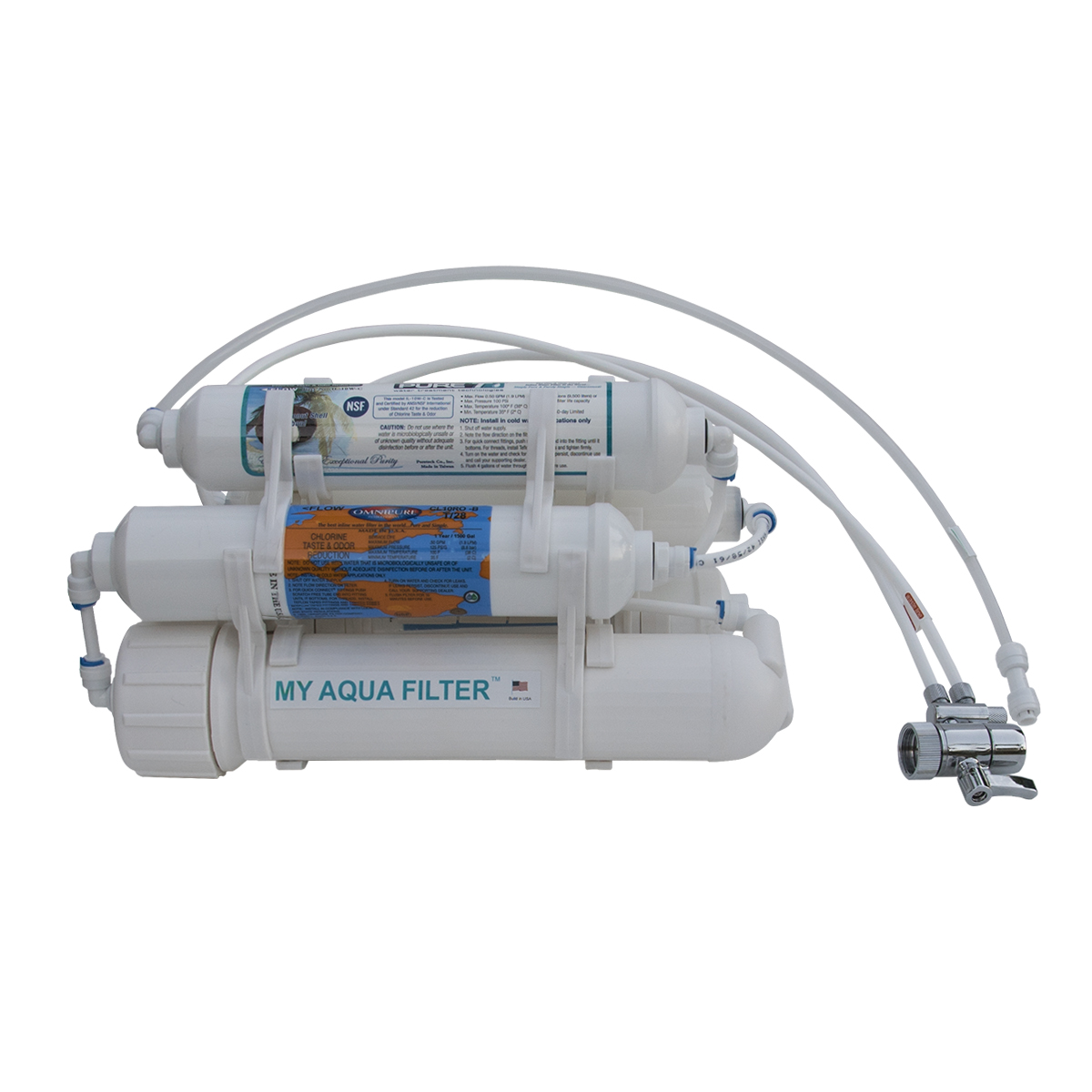
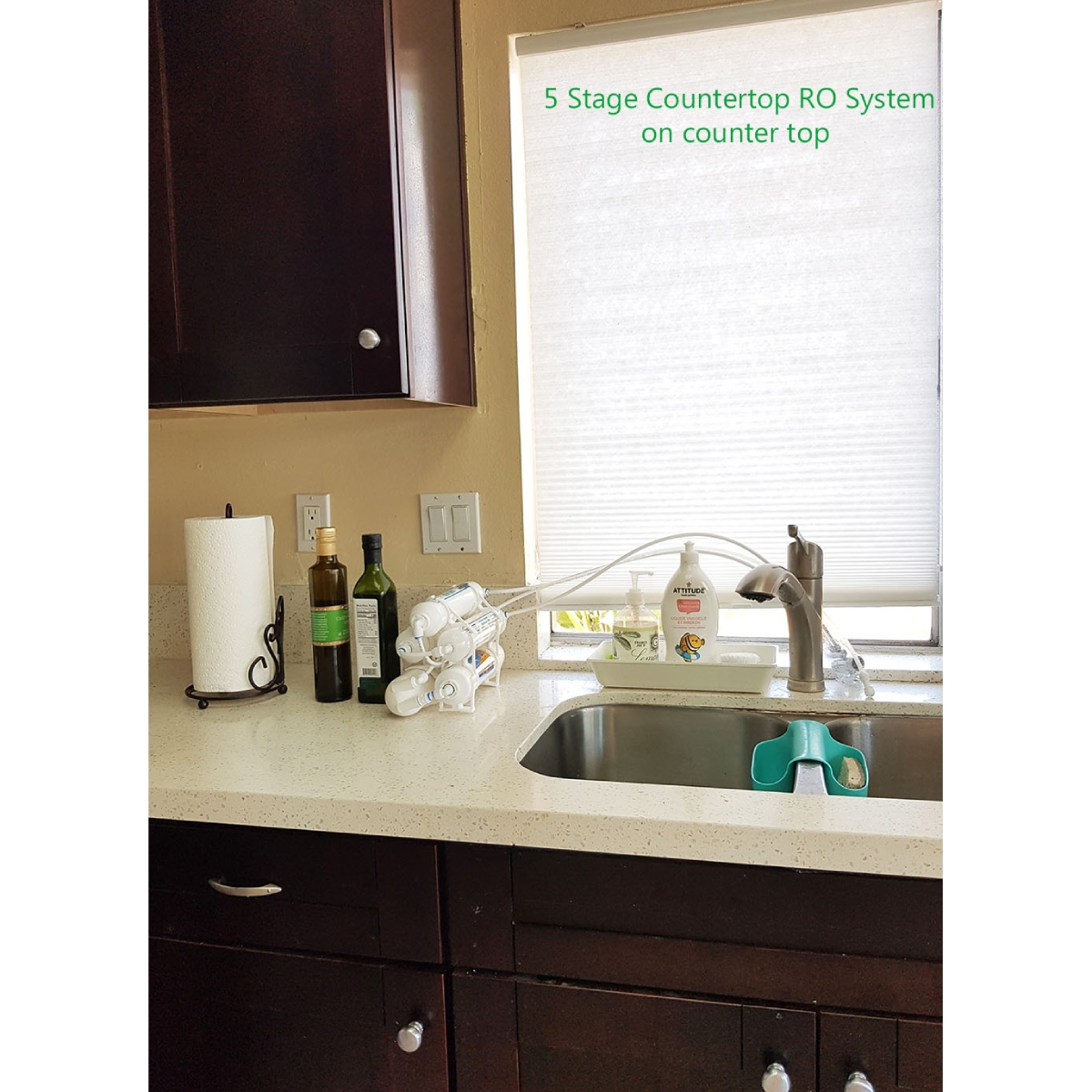
This membrane is compatible with MyAquaFilter Countertop RO systems and is often chosen when a moderate flow rate is needed without compromising water quality. It is also widely used in standard under-sink RO systems, with or without a storage tank.
Compared to lower-GPD membranes, a 150 GPD membrane delivers faster water production while maintaining strong rejection performance, making it a popular choice for everyday household drinking water needs.
What a 150 GPD RO Membrane Removes
Like other TFC (Thin Film Composite) reverse osmosis membranes, a 150 GPD membrane works by rejecting dissolved substances at the molecular level. Rather than targeting individual chemicals, the membrane reduces entire classes of dissolved impurities, allowing it to reduce thousands of potential contaminants that may be present in water.
Typical reductions include:
- Total Dissolved Solids (TDS)
- Fluoride
- Heavy metals (lead, arsenic, mercury, chromium)
- Nitrates and nitrites
- Dissolved salts and minerals (calcium, magnesium, sodium)
- Many dissolved inorganic and synthetic compounds
Actual performance depends on feed water quality, pressure, temperature, and proper pre-filtration. Not all contaminants are present in every water source.
What Does 150 GPD Mean?
GPD (Gallons Per Day) refers to the maximum amount of purified water the membrane can produce under ideal laboratory conditions (approximately 77°F / 25°C water temperature, ~60 psi pressure, and low feed-water TDS).
In real-world residential use, actual production is typically lower due to variations in water temperature, pressure, and incoming water quality.
Approximate Real-World Production
| Membrane Rating |
Approx. Gallons per Hour* |
Best Use |
| 150 GPD |
~4.0 – 5.5 gal/hr |
Under-sink RO systems & countertop RO systems |
*Actual production varies based on feed water pressure, temperature, TDS, and system configuration.
Why Choose a 150 GPD RO Membrane?
A 150 GPD membrane is an excellent option for users who want faster water production while maintaining strong filtration efficiency. It is commonly selected as a middle-ground solution between lower-output membranes and higher-GPD membranes designed primarily for maximum flow.
This membrane may be ideal if you:
- Use a countertop RO system without a storage tank
- Use a standard under-sink RO system (with or without a tank)
- Want a balance between flow rate and contaminant rejection
- Need reliable daily drinking water production
Compatibility & Installation Notes
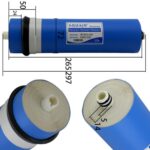
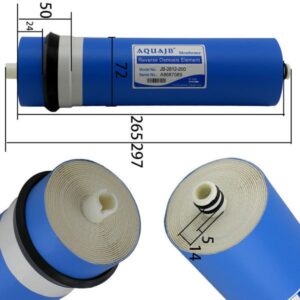
This membrane uses a standard 1812 or 2012 size, making it compatible with a wide range of residential reverse osmosis systems.
Fits systems using:
- 1812 RO membrane housings
- MyWaterClub Countertop RO systems
- Standard under-sink RO systems (tank-based or tankless)
- Systems designed specifically for a 150 GPD membrane
Important Notes
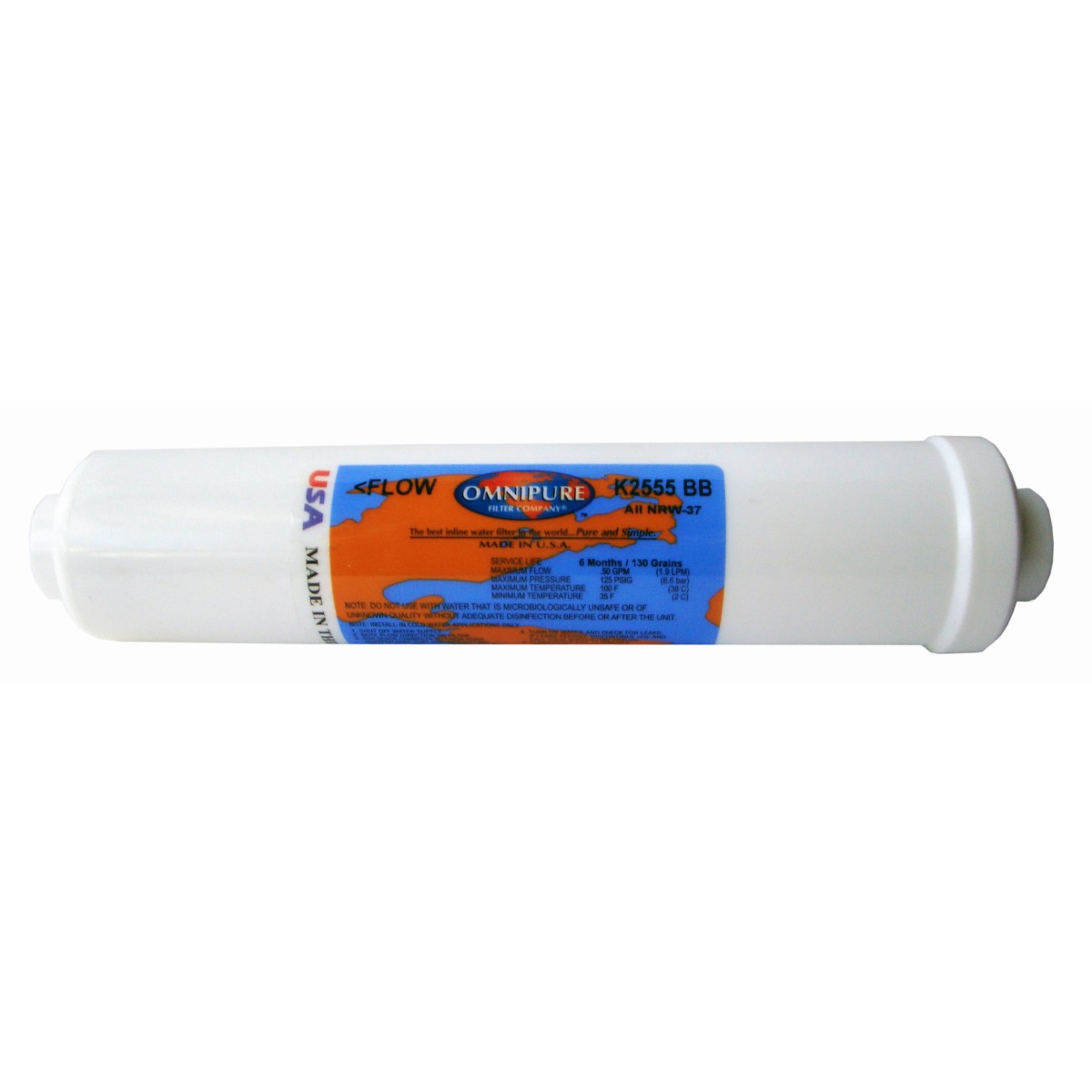
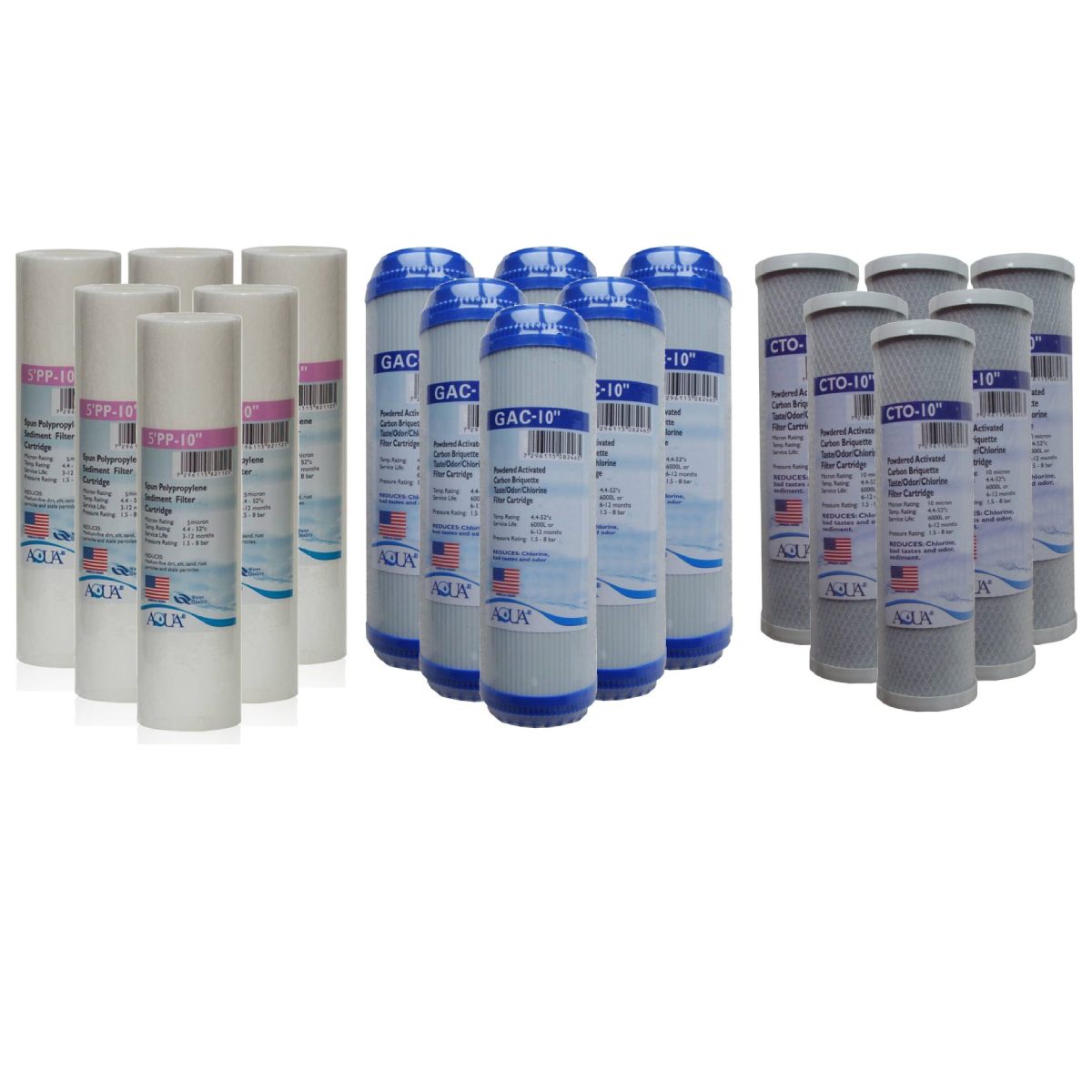
- Proper sediment and carbon pre-filtration is required to protect the membrane
- Carbon filters must remove chlorine and chloramine before water reaches the membrane
- The flow restrictor must be matched to the membrane’s capacity
Maintenance & Replacement
- Typical membrane lifespan: 2–3 years, depending on water quality and pre-filtration
- Replace sooner if water production decreases or TDS rejection drops
- Routine replacement of sediment and carbon filters helps extend membrane life
Performance varies based on feed water conditions, pressure, temperature, and system configuration.
Brand: Aqua JB
Contaminant Reduction – Standard RO Membrane (Average Performance)
Reverse osmosis membranes reduce contaminants by rejecting dissolved substances at the molecular level.
The table below outlines typical contaminant categories reduced by a standard RO membrane and the
average reduction ranges commonly observed in residential systems.
| Contaminant Category |
Examples |
Average Reduction* |
| Total Dissolved Solids (TDS) |
Overall minerals, contaminants & dissolved solids |
93–98% |
| Fluoride |
Fluoride ions |
85–95% |
| Heavy Metals |
Lead, arsenic, mercury, chromium |
90–99% |
| Nitrates / Nitrites |
Nitrate (NO₃), nitrite (NO₂) |
80–95% |
| Dissolved Salts & Minerals |
Calcium, magnesium, sodium, potassium |
90–99% |
| Inorganic Contaminants |
Sulfates, phosphates, chlorides |
90–99% |
| Some Synthetic Compounds |
Select dissolved industrial or agricultural residues |
80–95% |
*Reduction percentages represent typical performance ranges for standard residential thin-film composite (TFC)
reverse osmosis membranes. Actual results vary based on feed water quality, pressure, temperature,
membrane condition, and proper pre-filtration. Not all contaminants are present in every water source.







Monica E. –
Got 5 ppm. Wow!